

模拟IC设计必备:Cadence Virtuoso Library Manager操作指南




CADENCE VIRTUoso Library Manager: Precision and Process in Integrated Circuit Design
Integrated Circuit (IC) design necessitates meticulous planning and execution. Cadence Virtuoso, a professional suite comprising multiple software tools, plays a quintessential role in this process. A critical constituent of this toolkit is the `library manager`, which is discoursed below within the context of managing and positioning electronic components (circuit cells) in the design phase.
Getting Started: CIWTools Library Manager
`Virtuoso` initializes through `library manager`, which handles the organization and fleet availability of the libraries that encapsulate a hierarchy of cells, templates, and macros. This article delves into the operational significances of `library management`, particularly focusing on the procedure for incorporating and synchronizing the `cDs.lib` file, process for initiating new libraries, and nuances regarding library paths and cell copying techniques in migration processes.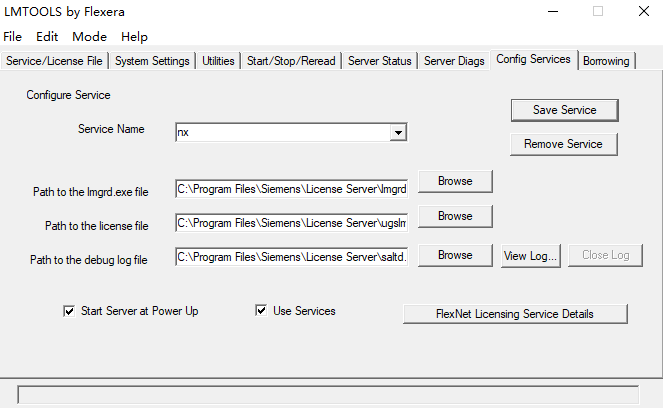
CIWTools Library Path Editor: Integration and Navigation
`CDS.lib` is an auxiliary file that Virtuoso reads upon startup, offering a central directory of libraries utilized from various paths. The two primary types are:
1. Userdefined libraries declared with `DEFINE`, which softjoins a library name to the associated directory. For instance:
```pl
DEFINE "myLibrary" "/path/to/myLibrary"
```
This entry essentially creates a soft link pointing to a specific path’s `cDs.lib` file.
2. Library inclusion using natural softinclude:
```pl
SOFTINCLUDE "/path/to/myLibraryIgnoreMe"
```
This action programmatically integrates the content of `cDs.lib` at the specified directory.
Library Creation and Management: The Old and The New
Old Method: Execution of the `library manager` through `file > newlibrary` reveals a menu where technology files for new libraries are selected. Binding your new library to a specific fabrication process (technology file) is imperative.
New Method: Via `library path editor`, engaging with the `edit > add library` command beside your project name grants a lucid navigation of library sources and directories. This feature elucidates a systematic path organization streamlined under categories for enhanced readability and navigation.
Navigating Engineering Migrations: Cell Replication Techniques
Migration processes, transitioning from an older library schema to a new one, often request the replication of cells. An essential practice underlies meticulously executing this task:
Selective Cell Replication: Manual copy and paste of cell names into the respective sheets, without selecting all views, is a straightforward yet potentially errorprone method. It necessitates ensuring that all relevant variations (views) of the cell have been suitably covered.
Copy Hierarchical and Update Instances: Employing this option during cell copy processes ensures a comprehensive replication that includes documentwide hierarchical links, updating instances of the copied cell across the design.
Utilization of Source Lock Files: Lock files contribute significantly to maintaining the integrity of the design cells during transitions. For users aiming to restrict access or transactions to the `.locks` file following this manipulation, trio commands below (`find`, `rename`, `remove`) facilitate the process:
```sh
find . name '.cdslck' exec rm f {} \;
```
This deletion operation erases any existing lock files, allowing for the unimpeded execution of subsequent design activities while maintaining file protection.
Concluding Thoughts
Managing libraries and cells in theinx circuit design involves a keen understanding of operational nuances and procedural best practices. The Cadence Virtuoso's library manager encompasses powerful tools and features dedicated to enhancing efficiency, precision, and the overall effectiveness in IC design processes. This article serves as an empowering template for harnessing the capabilities of Cadence software, especially `library manager` functionalities, in the journey of crafting sophisticated integrated circuits.
武汉格发信息技术有限公司,格发许可优化管理系统可以帮你评估贵公司软件许可的真实需求,再低成本合规性管理软件许可,帮助贵司提高软件投资回报率,为软件采购、使用提供科学决策依据。支持的软件有: CAD,CAE,PDM,PLM,Catia,Ugnx, AutoCAD, Pro/E, Solidworks ,Hyperworks, Protel,CAXA,OpenWorks LandMark,MATLAB,Enovia,Winchill,TeamCenter,MathCAD,Ansys, Abaqus,ls-dyna, Fluent, MSC,Bentley,License,UG,ug,catia,Dassault Systèmes,AutoDesk,Altair,autocad,PTC,SolidWorks,Ansys,Siemens PLM Software,Paradigm,Mathworks,Borland,AVEVA,ESRI,hP,Solibri,Progman,Leica,Cadence,IBM,SIMULIA,Citrix,Sybase,Schlumberger,MSC Products...
相关推荐